

If you’ve ever had a WordPress site suddenly start misbehaving—white screen, broken layouts, random “critical error” messages, emails not sending, or a feature that only fails on one specific page—you already know the most frustrating part:
It’s not fixing the problem.
It’s figuring out what actually caused it.
Most WordPress issues boil down to a few usual suspects:
- A plugin conflict (two plugins fighting, or one plugin clashing with your theme)
- A theme issue (code or template changes that break layout/functionality)
- A debuggable error (PHP warnings/notices/fatal errors that are hidden until you enable logging)
- A mail delivery problem (WordPress can’t send email, or email gets blocked/filtered)
That’s exactly what Conflict Finder – WP Fix It was built to solve: a single, streamlined troubleshooting toolkit that helps you isolate the root cause quickly—without you having to manually flip settings, edit files, or try to remember which plugins were active in the first place. (WordPress.org)
You can grab it here: Conflict Finder – WP Fix It on WordPress.org
And if you’re the type who wants expert help instead of wrestling with a broken site at 2 a.m., keep this bookmarked too: WP Fix It (24/7 support and repairs).
What is Conflict Finder – WP Fix It?
Conflict Finder is a comprehensive troubleshooting plugin designed for WordPress admins, developers, and support pros who need to identify the root cause of site issues from a single interface. (WordPress.org)
From the plugin dashboard, it can help you:
- Enable/disable WP_DEBUG without manually editing files (WordPress.org)
- View, download, and clear the WordPress debug log (
wp-content/debug.log) (WordPress.org) - Temporarily disable plugins to isolate conflicts (WordPress.org)
- Switch themes temporarily to test theme-related issues (WordPress.org)
- Test WordPress email delivery using
wp_mail()(WordPress.org)
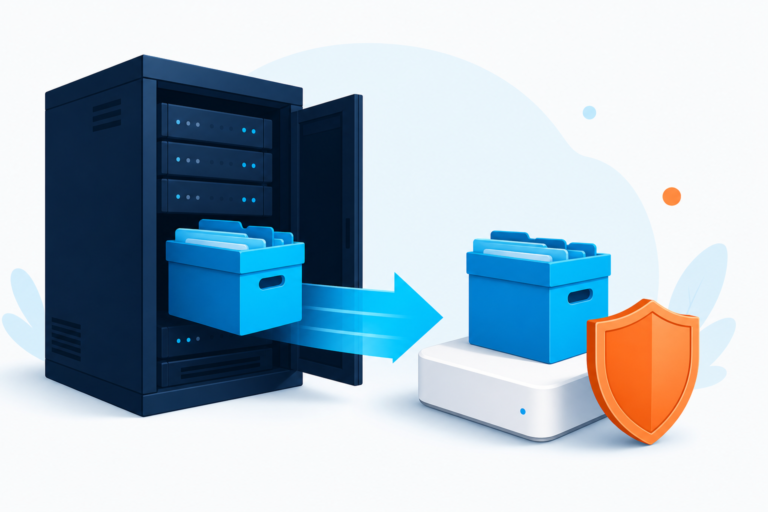
It also tracks your original configuration and lets you restore your plugins/themes/debug settings after testing. (WordPress.org)
As of version 7.2 (January 27, 2026), Conflict Finder is actively maintained and includes refinements to the email testing tool. (WordPress.org)
The big “gotcha” (and why it’s actually a good thing)
Conflict Finder is powerful, but it’s not magic—and it’s transparent about the tradeoff:
While troubleshooting is active, your site behavior can change (plugins disabled, theme switched, debug output visible), and those changes may be visible to logged-out visitors. (WordPress.org)
That’s why the plugin recommends troubleshooting during low-traffic windows or on a staging environment when possible. (WordPress.org)
If you want a “done for you” option where you don’t have to worry about testing windows, emergency downtime, or unintended visitor impact, check out:
- Emergency WordPress Support
- WordPress Site Repair & Fix Service
- Complete Range of WordPress Services
Who should use Conflict Finder?
Conflict Finder is useful for pretty much anyone who manages a WordPress site, but it shines for:
1) Site owners and non-technical admins
If you run a business site, you don’t want to:
- break things worse while “testing”
- mess with
wp-config.php - guess which plugin is the problem
Conflict Finder gives you guided, reversible testing from inside WordPress admin. (WordPress.org)
If the goal is simply “get this fixed fast,” your shortcut is here:
2) Developers, agencies, and maintainers
If you manage multiple sites, troubleshooting time adds up fast. The plugin’s “single interface” approach—debug controls, log access, plugin isolation, theme testing, email tests—reduces context switching. (WordPress.org)
And if you need hands-on dev support for changes, custom tasks, or ongoing improvements:
3) Anyone dealing with recurring conflicts or performance weirdness
Conflicts often show up as:
- broken checkout flows
- disappearing UI elements
- slowdowns after an update
- random JavaScript or PHP errors that come and go
If speed is part of the symptom, you may also want:
Quick start: where to find the plugin tools
After installing and activating Conflict Finder, you’ll find it here:
Tools → Troubleshoot (WordPress.org)
That alone is a small but important usability win: it places troubleshooting where most admins expect to find it.
Feature breakdown: what Conflict Finder actually does
Let’s walk through the core tools and why each one matters in real-world troubleshooting.
1) Troubleshooting Dashboard (your “status + environment snapshot” view)
Conflict Finder includes a dashboard that provides:
- an overview of troubleshooting states
- an environment snapshot (WordPress, PHP, memory, server software) (WordPress.org)
Why this matters:
- Many issues are version-related (PHP version, WordPress version, memory limit).
- Support teams often ask for environment details immediately.
- Having it in one place reduces back-and-forth.
If you’re collecting troubleshooting context for support tickets, this pairs well with the broader resources in:
2) WP_DEBUG Tool (debug controls without file editing)
Normally, enabling debugging means editing wp-config.php and remembering which flags you changed. Conflict Finder simplifies this by letting you enable/disable WP_DEBUG from a switch and control logging/display behavior. (WordPress.org)
It can also:
- load unminified scripts for debugging
- view/download/clear
wp-content/debug.log - safely update
wp-config.phpas needed (WordPress.org)
Why this matters:
- Debug logs turn a vague “it’s broken” into a specific function/class/file causing the error.
- Clearing logs before a test reduces noise and makes new errors obvious.
- You avoid risky manual edits when you’re already stressed because the site is down.
If you’re currently dealing with a broken site and need rapid stabilization, jump here:
3) Plugin Conflict Tool (the heart of the plugin)
This is the feature most people install Conflict Finder for:
- Temporarily deactivate all active plugins
- Save and restore the original plugin states
- Reactivate plugins one at a time to find the conflict (WordPress.org)
This mirrors the classic manual conflict test, but with a workflow that’s designed around speed + restoration.
A practical workflow for plugin conflict testing
Here’s a reliable way to use it:
- Record the symptom
- What’s broken?
- Which page shows it?
- Does it fail for logged-out users or only logged-in?
- Enable debug logging (optional but recommended)
- Turn on WP_DEBUG/logging with the tool
- Clear the log before testing so new entries stand out (WordPress.org)
- Temporarily disable plugins
- Confirm if the issue disappears
- If yes → strong signal it’s plugin-related (WordPress.org)
- Reactivate plugins one by one
- Test after each activation
- When the issue returns, you’ve likely found the conflicting plugin (or pair)
- Restore original state
- Use the restoration feature to return to your normal setup (WordPress.org)
Want a deeper guide on conflict strategy and prevention?
4) Theme Conflict Tool (because themes cause “plugin-like” problems too)
A surprising number of “plugin conflicts” are actually theme issues—or theme + plugin combinations.
Conflict Finder lets you:
- temporarily switch to another installed theme
- test whether the issue is theme-related
- restore the original theme instantly (WordPress.org)
When theme testing is especially useful
- Layout breaks after a theme update
- A block/editor feature stops working
- A WooCommerce template override causes checkout weirdness
- You see fatal errors referencing theme files
If you’re not comfortable testing themes on a production site, a safer route is:
5) Email Delivery Tool (test wp_mail without guessing)
When WordPress stops sending email, the issue could be:
- your host blocking outbound mail
- missing DNS records (SPF/DKIM/DMARC)
- SMTP misconfiguration
- a plugin interfering with mail hooks
- spam filtering
Conflict Finder includes an Email Delivery Tool that sends a real test email using WordPress mail functions to confirm whether the server can successfully send email. (WordPress.org)
In the changelog, version 7.2 (Jan 27, 2026) specifically notes refinements to the email testing tool to avoid spam filters, with additional improvements in 7.1 and 7.0. (WordPress.org)
If email failures are hurting leads/orders, don’t let it drag on—this is the kind of issue that’s easy to underestimate. If you’d rather have someone handle it end-to-end:
When should you use Conflict Finder?
The plugin explicitly calls out common scenarios like:
- Diagnosing white screens or fatal errors
- Identifying plugin conflicts
- Testing theme-related issues
- Investigating PHP notices or warnings
- Verifying WordPress email delivery (WordPress.org)
Here are a few “real-life” examples where it’s particularly effective:
Scenario A: “My site shows a critical error after an update”
Use Conflict Finder to:
- enable logging
- check
debug.log - temporarily disable plugins to see if the site recovers
- re-enable plugins gradually to identify the trigger
If you’re already locked out or the admin is unstable, you may prefer a direct fix:
Scenario B: “Checkout works when I’m logged in, but not for customers”
Use Conflict Finder to:
- test logged-out behavior (and isolate plugins that affect sessions/caching)
- temporarily switch themes if templates are involved
- watch debug logs for PHP notices that only appear on checkout flows
Speed/caching can also play a role:
Scenario C: “Contact form submissions don’t email me anymore”
Use Conflict Finder to:
- run an email delivery test
- confirm if
wp_mail()works at all (WordPress.org)
If it fails, you know you’re looking at hosting/mail config (or filtering). If it succeeds, focus on the form plugin and its settings.
Best practices: how to troubleshoot without making things worse
Conflict Finder is designed to be reversible, but smart process still matters.
1) Prefer staging when possible
Because the plugin warns that troubleshooting can affect the live experience, staging is ideal. (WordPress.org)
2) Test during low-traffic windows if you must do it live
Again: plugins/themes may change and could be visible to visitors. (WordPress.org)
3) Keep notes
When you’re enabling plugins one-by-one, it’s easy to forget:
- which plugin “broke it”
- what the exact symptom was
- whether the issue is consistent or intermittent
4) Don’t assume “the last plugin activated” is always the only cause
Sometimes the conflict is:
- Plugin A + Plugin B together
- a theme function + a plugin hook
- a caching layer combined with a script minifier
If it gets messy, it’s often faster (and cheaper) to hand it off:
Compatibility and maintenance notes
On the official plugin listing, Conflict Finder lists:
- Version: 7.2
- WordPress version: 4.9 or higher
- PHP version: 5.6 or higher
- Tested up to: 6.9.1 (WordPress.org)
It also has a visible changelog with recent releases in January 2026, including a major release (7.0) focused on refactoring, stability, admin-only safety enforcement, workflow improvements, and standards compliance. (WordPress.org)
In other words: it’s not a “set it and forget it” abandoned plugin—it’s actively iterated.
Conflict Finder vs. manual troubleshooting: why this plugin still wins
Yes, you can troubleshoot manually:
- deactivate all plugins
- switch to a default theme
- edit
wp-config.phpfor debug flags - dig through logs (if you have them)
- try to replicate mail issues
But Conflict Finder compresses that workflow into a single admin toolkit and adds restoration logic so you don’t have to reconstruct your original configuration from memory. (WordPress.org)
That means less time, fewer mistakes, and faster root-cause identification—especially when you’re troubleshooting under pressure.
If you find the conflict… what next?
Once you identify the offending plugin/theme combination, your next moves are typically:
- Update everything
- WordPress core, plugins, theme
- Check plugin settings
- Sometimes two features overlap (minification, caching, security hardening)
- Replace the plugin if it’s unreliable
- Contact support
- Many conflicts are known and have documented fixes
- Implement a prevention workflow
- staging updates
- incremental rollouts
- backups and monitoring
For prevention + stability, these are worth reviewing:
Bonus: don’t confuse “conflict symptoms” with security problems
One important note: not every weird site behavior is a plugin conflict. Sometimes it’s a hack or infection (redirects, spam links, admin lockouts, file changes).
If you suspect security issues, go here:
- Remove WordPress Malware and Infections
- Step-by-Step WordPress Malware Removal Guide
- Online WordPress Scanner Guide
- Quickly Remove WordPress Malware
- WordPress Infection Insurance Policy
And if you want same-day cleanup with guarantees:
Final thoughts: a smarter, faster troubleshooting toolkit for WordPress
Conflict Finder – WP Fix It is one of those rare plugins that solves a real, common WordPress pain point with a straightforward workflow:
- Toggle debugging safely from the admin (WordPress.org)
- View/clear/download logs without extra tools (WordPress.org)
- Isolate plugin conflicts without guesswork (WordPress.org)
- Test theme problems quickly and restore instantly (WordPress.org)
- Verify email delivery with a proper
wp_mail()test (WordPress.org)
It’s not a replacement for good maintenance habits—but it dramatically improves the diagnosis stage, which is where most WordPress troubleshooting time gets wasted.
If you want to DIY your troubleshooting, install the plugin and keep it ready for the next time something breaks. If you’d rather have an expert team jump in and resolve the issue fast, here are the “skip the headache” links: